Subcutaneous vs Intramuscular BPC-157: Routes in Studies
Comparison of subcutaneous and intramuscular BPC-157 injection routes as used in published animal studies. Study counts, outcomes and route rationale.
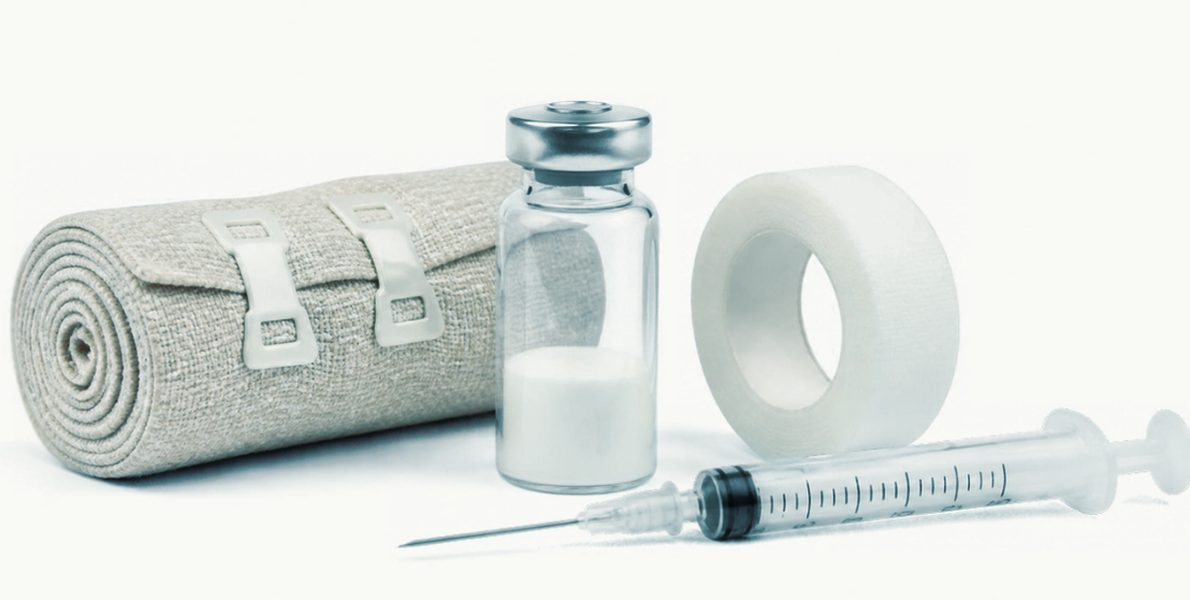
The subcutaneous vs intramuscular bpc 157 comparison matters because the two injection routes deliver the peptide to different tissue compartments. Subcutaneous injection deposits the solution into fat beneath the skin. Intramuscular injection places it directly in muscle. Both routes appear in published animal studies, though neither is the most common. Intraperitoneal injection dominates the BPC-157 literature by a wide margin. Below we lay out the study counts, the outcomes reported for each route, and why the route that most people search for is actually the least studied. BPC-157 is not approved for human use.
Subcutaneous vs Intramuscular BPC-157 in Studies
How Each Route Works
Subcutaneous (SC) injection uses a short needle, typically 25-30 gauge, inserted at a shallow angle into the tissue layer between skin and muscle. Absorption into systemic circulation is gradual. The peptide enters capillary beds in the subcutaneous fat and reaches the bloodstream over minutes to hours. Researchers choose this route when they want slower absorption or proximity to a superficial injury site.
Intramuscular (IM) injection uses a longer needle inserted perpendicular into muscle tissue. Muscle has a richer blood supply than subcutaneous fat. Absorption is generally faster with IM compared to SC. Researchers select this route when the study targets muscle injury directly or when they want higher local concentrations at a muscle site. The Novinscak et al. study used intramuscular delivery in a rat muscle crush injury model.
Study Counts by Route
Subcutaneous BPC-157 injection appears in roughly 15 published studies. Intramuscular appears in roughly 9. Combined, these two routes account for fewer studies than intraperitoneal injection alone. This distribution reflects standard rodent pharmacology methodology rather than any judgment about which route is optimal.
Outcomes Compared
| Route | Study | Model | Outcome Reported | PMID |
|---|---|---|---|---|
| Subcutaneous | Seiwerth et al. 2018 | Rat, various injury models | Tissue-protective effects across multiple organ systems | 29998800 |
| Intramuscular | Novinscak et al. 2008 | Rat, muscle crush injury | Accelerated functional recovery compared to controls | 18668315 |
Both routes produced measurable effects in the published data. Subcutaneous BPC-157 shows up in tendon, ligament and wound models where proximity to the injury site matters. Intramuscular BPC-157 appears in muscle-specific injury models. We cannot conclude from the existing literature that one route is superior to the other. The studies used different models, different injury types and different endpoints.
Head-to-head comparisons of SC vs IM BPC-157 within the same study are rare. Most papers tested a single route against a control group. Without direct comparison data, ranking the two routes by effectiveness is not possible. For injection site considerations across all routes, see our BPC-157 injection site page.
Why Most Studies Use Neither
Intraperitoneal as the Dominant Route
Intraperitoneal (IP) injection accounts for the largest share of published BPC-157 studies. The needle enters the abdominal cavity of the rodent, delivering the peptide into the peritoneal space. Absorption into systemic circulation is rapid. The technique is fast and does not require imaging guidance. For high-throughput rodent pharmacology, IP is the default.
This is a practical choice, not a clinical recommendation. IP injection is not a standard route in human medicine. It is reserved for specific clinical contexts like peritoneal dialysis and intraperitoneal chemotherapy, both performed under medical supervision. The dominance of IP in the BPC-157 literature means that the most-studied route is the one least applicable to any non-laboratory setting.
We note this because the subcutaneous vs intramuscular bpc 157 question implies that one of these two routes is "correct." In the actual literature, neither is the primary route. IP is. The SC and IM data that does exist is limited by small study counts and heterogeneous designs. For a broader overview of how researchers administer injectable BPC-157, see our injection methods page.
FAQ
Which is better for BPC-157: subcutaneous or intramuscular?
The published literature does not answer this question definitively. Both routes have produced measurable effects in animal models. No head-to-head comparison study has established one route as superior. The choice in published research depends on the target tissue and the study design, not a universal ranking.
Does subcutaneous BPC-157 absorb more slowly than intramuscular?
In general pharmacology, subcutaneous absorption is slower than intramuscular because muscle tissue has a richer blood supply. This principle applies broadly to injectable compounds. BPC-157-specific pharmacokinetic data comparing absorption rates between SC and IM routes has not been published in sufficient detail to quantify the difference for this peptide.
Why is intraperitoneal injection not used outside of animal research?
Intraperitoneal injection in humans requires medical oversight and carries risks including bowel perforation and infection. It is used clinically only in specific contexts. In rodent pharmacology, it is the standard route because the animals are small, the technique is fast and systemic distribution is rapid. The dominance of IP in BPC-157 research reflects laboratory convenience, not a therapeutic recommendation.

Keep reading
BPC-157 Nasal Spray vs Injection: What Research Shows
Comparison of BPC-157 nasal spray and injection routes. Published research, bioavailability differences and practical considerations.
BPC-157 Injection Price in 2026: What It Actually Costs
Real BPC-157 injection prices from tested vendors in 2026. Cost per vial, price per milligram and total cost breakdowns.
BPC-157 Capsules vs Injection: Route Comparison
Comparison of BPC-157 capsules and injection based on published absorption data, cost per course and preparation complexity.
Compare the current picks
Prices, sizes and ratings side by side, updated when the merchant pages change.
See top picks