BPC-157 Nasal Spray vs Injection: What Research Shows
Comparison of BPC-157 nasal spray and injection routes. Published research, bioavailability differences and practical considerations.
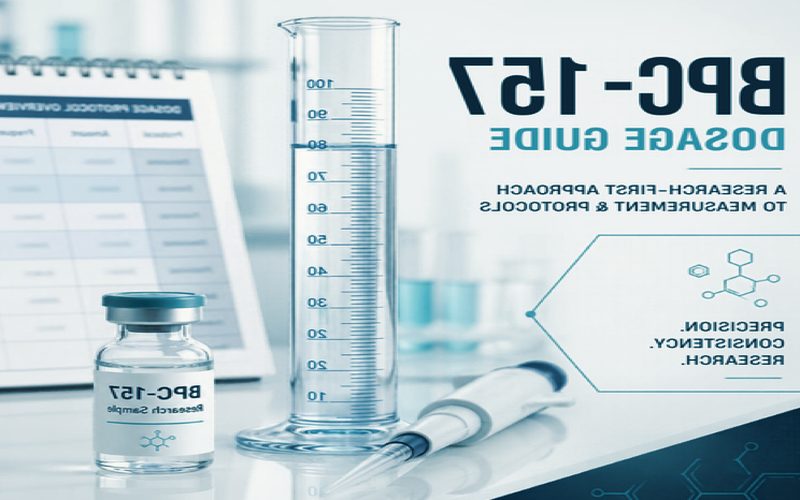
BPC-157 nasal spray vs injection is a question that surfaces frequently in research communities. Both routes deliver the peptide systemically, but by different mechanisms. The published literature on BPC-157 overwhelmingly uses injection (intraperitoneal, subcutaneous, intramuscular) while intranasal delivery has far less formal study. This post compares what is known about each route.
Nasal Spray vs Injection: Route Overview
How Intranasal Peptide Delivery Works
Intranasal delivery sends a peptide solution through the nasal mucosa into systemic circulation. The nasal cavity has a rich blood supply and thin epithelial layer, which allows some molecules to cross into the bloodstream without passing through the gastrointestinal tract. Several peptide drugs use this route commercially, including desmopressin and oxytocin. The key variable is molecular size: smaller peptides generally achieve better nasal absorption than larger ones.
BPC-157 is a 15-amino-acid peptide with a molecular weight of approximately 1,419 Da. This places it in a size range where nasal absorption is plausible but not guaranteed to be efficient. No published pharmacokinetic study has measured BPC-157 bioavailability via the intranasal route specifically.
Injection Routes in BPC-157 Research
The published BPC-157 literature uses injection as the primary delivery method. A 2018 review by Seiwerth et al. catalogued decades of studies using intraperitoneal, subcutaneous and intramuscular injection in rodent models. These routes provide controlled dosing with predictable systemic distribution. We cover injection routes in detail on our how to inject BPC-157 page.
Published Data on BPC-157 Nasal Administration
- Route
- Nasal spray has minimal published BPC-157 data
- Studies
- Over 100 studies use injection; nasal data is largely absent
- Bioavailability
- Injection provides near-complete delivery; nasal is variable
- Preparation
- Both require reconstitution of lyophilized powder
As of October 2026, we have not identified a peer-reviewed study that specifically measures BPC-157 pharmacokinetics or efficacy via intranasal delivery. The nasal spray format for BPC-157 exists as a commercial product category, but published preclinical validation of this route for this specific peptide is lacking. This is a significant gap compared to the injection route, which has extensive published data across multiple tissue models.
Other peptides do have published intranasal pharmacokinetic data. Oxytocin (9 amino acids, ~1,007 Da) achieves measurable plasma levels after nasal administration. Whether BPC-157 at 1,419 Da follows a similar pattern is unknown without direct measurement.
Cost and Preparation Comparison
| Factor | Nasal Spray | Injection |
|---|---|---|
| Published BPC-157 studies | None identified | 100+ |
| Bioavailability data | Not published for BPC-157 | Well-characterized in rodents |
| Preparation | Reconstitute + transfer to spray device | Reconstitute + draw into syringe |
| Equipment needed | Nasal spray bottle, bacteriostatic water | Syringe, needle, bacteriostatic water |
| Sterility concerns | Moderate (nasal devices can harbor bacteria) | Higher (needle-based risks) |
| Dose precision | Lower (spray volume varies) | Higher (syringe markings) |
The cost of the peptide itself is the same regardless of route, since both start with a lyophilized vial. Current prices from tracked vendors: Peptide God BPC-157 at $34.95 and Real Peptides 10mg at $43.20. The difference is in delivery equipment. A nasal spray bottle costs a few dollars. Syringes and needles also cost a few dollars per unit. Neither route adds substantial cost beyond the peptide.
FAQ - Nasal Spray vs Injection
Is there published research on intranasal BPC-157?
We have not found a peer-reviewed study that specifically tests BPC-157 via intranasal delivery. The published literature uses injection (primarily intraperitoneal) and oral routes. The absence of nasal data does not mean the route is ineffective, but it means there is no evidence base to evaluate.
Which route has better bioavailability?
Injection provides near-complete bioavailability because it bypasses absorption barriers. Nasal bioavailability for BPC-157 has not been measured. For peptides in general, nasal bioavailability ranges from under 1% to over 30% depending on molecular properties and formulation.
Is a nasal spray easier to use than injection?
A nasal spray avoids needles, which some researchers find more convenient. However, dose precision is lower with spray devices compared to calibrated syringes. Each spray pump delivers a variable volume that depends on device design and technique.
BPC-157 is not approved for human therapeutic use. All information on this page summarizes published research and does not constitute medical advice. Discuss any peptide product interest with a licensed healthcare provider.
Keep reading
Subcutaneous vs Intramuscular BPC-157: Routes in Studies
Comparison of subcutaneous and intramuscular BPC-157 injection routes as used in published animal studies. Study counts, outcomes and route rationale.
BPC-157 Injection Price in 2026: What It Actually Costs
Real BPC-157 injection prices from tested vendors in 2026. Cost per vial, price per milligram and total cost breakdowns.
BPC-157 Capsules vs Injection: Route Comparison
Comparison of BPC-157 capsules and injection based on published absorption data, cost per course and preparation complexity.
Compare the current picks
Prices, sizes and ratings side by side, updated when the merchant pages change.
See top picks