BPC-157 Capsules vs Injection: Route Comparison
Comparison of BPC-157 capsules and injection based on published absorption data, cost per course and preparation complexity.
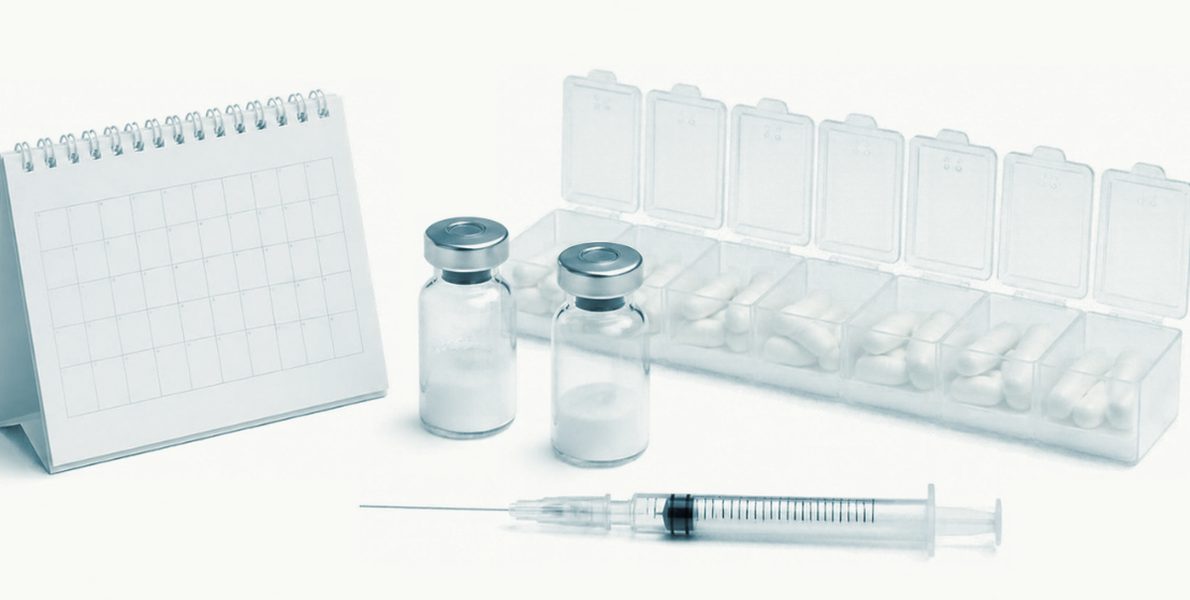
The question of bpc 157 capsules vs injection comes down to bioavailability: how much of the peptide reaches systemic circulation intact. Peptides are amino acid chains. The gastrointestinal tract is designed to break amino acid chains into individual components for absorption. Injection bypasses that process entirely. Below we compare what published preclinical data shows for each administration route, what the cost differences look like, and which route has more research behind it. BPC-157 is not approved for human use regardless of route.
Capsules vs Injection: What the Data Shows
Oral Bioavailability of Peptides
Most peptides have oral bioavailability below 2%. Gastric acid denatures the peptide bond structure. Proteolytic enzymes in the stomach and small intestine cleave the chain into fragments. The intestinal epithelium presents an additional barrier to absorption of intact molecules. These are fundamental pharmacokinetic obstacles, not limitations of specific formulations.
BPC-157 is considered unusual among peptides because it originates from a gastric juice protein and shows stability in acidic environments. A 2018 review by Seiwerth et al. noted that oral BPC-157 produced measurable effects in animal models of gastrointestinal lesions. However, the systemic bioavailability of oral BPC-157 has not been precisely quantified in published literature. We can say it works orally in gut models. We cannot say what percentage of the ingested peptide reaches non-gut tissues.
Injection Absorption in Studies
Injection delivers the full reconstituted dose directly into tissue. Subcutaneous injection places the peptide in the fat layer below the skin for gradual absorption. Intramuscular injection places it in muscle tissue. Intraperitoneal injection, the most common route in rodent studies, delivers it into the abdominal cavity for rapid systemic distribution.
None of these routes expose the peptide to digestive enzymes. The delivered dose equals the absorbed dose, minus any local degradation at the injection site. This is why injection is the default in preclinical pharmacology: it eliminates one major variable from the experimental design.
Cost and Convenience
| Factor | Capsules | Injectable (Lyophilized Powder) |
|---|---|---|
| Administration | Swallow with water | Reconstitute and inject |
| Equipment needed | None | Syringe, bacteriostatic water, alcohol swabs |
| Bioavailability | Unknown for systemic targets; partial for GI targets | Full dose delivered to tissue |
| Storage | Room temperature (varies by product) | Refrigerate after reconstitution (2-8C) |
| Shelf life | Months (sealed capsules) | 28-30 days after reconstitution |
| Supply costs | Capsules only | Peptide vial + bac water ($4.80) + syringes |
| Sterile technique | Not required | Required for every injection |
Capsules are simpler. No needles, no reconstitution, no refrigeration. The convenience advantage is significant. Injectable BPC-157 requires bacteriostatic water, insulin syringes, alcohol swabs and a refrigerator. We reviewed Real Peptides Bacteriostatic Water at $4.80 as a representative supply cost. Add syringes and alcohol pads, and the total supply cost beyond the peptide itself is approximately $10-$15.
Which Route Has More Research?
Injectable routes collectively account for the large majority of published BPC-157 research. Intraperitoneal injection alone appears in more studies than all non-injection routes combined. Oral administration has been studied primarily in gastrointestinal models: ulcer protection, colitis and mucosal injury. The injection literature covers a broader range of tissues including tendon, muscle, nerve and bone.
This distribution reflects standard preclinical methodology. Injection is the default for pharmacological studies because it controls the delivered dose with precision. It does not mean injection is inherently superior for every application. Oral BPC-157 may be entirely appropriate for gut-targeted research. The route depends on the target tissue and the study design.
FAQ
Are BPC-157 capsules as effective as injection?
No direct comparison study has been published. Oral BPC-157 has shown effects in gastrointestinal models in animals. Injectable BPC-157 has shown effects across a wider range of tissue types. Systemic bioavailability of oral BPC-157 has not been quantified. We cannot make a definitive effectiveness comparison without head-to-head data.
Do capsules cost less than injectable BPC-157?
The peptide itself may be priced similarly. However, injectable BPC-157 requires additional supplies: bacteriostatic water, syringes and alcohol swabs. These add approximately $10-$15 to the total cost. Capsules require no additional equipment. The total cost comparison depends on the specific products being compared.
Can oral BPC-157 reach non-gut tissues?
Some preclinical evidence suggests systemic effects from oral BPC-157, including effects on tissues distant from the gastrointestinal tract. However, the mechanism is not fully characterized. Whether the intact peptide reaches systemic circulation or produces effects through gut-mediated signaling pathways is an open question in the literature.
Keep reading
BPC-157 Nasal Spray vs Injection: What Research Shows
Comparison of BPC-157 nasal spray and injection routes. Published research, bioavailability differences and practical considerations.
Subcutaneous vs Intramuscular BPC-157: Routes in Studies
Comparison of subcutaneous and intramuscular BPC-157 injection routes as used in published animal studies. Study counts, outcomes and route rationale.
BPC-157 Injection Price in 2026: What It Actually Costs
Real BPC-157 injection prices from tested vendors in 2026. Cost per vial, price per milligram and total cost breakdowns.
Compare the current picks
Prices, sizes and ratings side by side, updated when the merchant pages change.
See top picks