How to Inject BPC-157: Study Protocols and Routes
Summary of BPC-157 injection protocols from published animal studies including routes, volumes and equipment. Not a human dosing guide.
How to administer bpc 157 is a surfacing question hundreds of times each month in online searches. It is a valid question, but unfortunately, it has no valid answer. All we have is a lot of preclinical data on the different ways of administration, doses of the peptide, preparation steps, and other details concerning how the peptide was studied during its experiments on animals. I will explain the previously mentioned methods, the equipment used, injection spots used in rodents, and why none of this is relevant for humans. For the site-specific aspects, see BPC-157 injection site page.
How Studies Administer BPC-157 by Injection
Researchers have used 4 distinct injection routes for BPC-157 across more than 100 published animal studies. Each route serves a different experimental purpose. The choice depends on the target tissue, the species and the study design.
Intraperitoneal Injection in Rodent Models
Intraperitoneal (i.p.) injection is the avenue that has been widely used in studies relating to BPC-157. In this method, the syringe enters the abdomen of the rat or mouse to provide the peptide in the peritoneal cavity where it then rapidly penetrates the systemic circulation. 2018 review by Seiwerth et al. has published dozens of pieces of research, including studies on gut protection models and wound healing models and neurological models.
The i.p. Route has practical applications in small animals since it is quick and can be done without imaging guidance. This route is not normal in clinical practice for humans. Intraperitoneal injections in humans are only used in special situations such as chemotherapy and peritoneal dialysis, which are done with the help of doctors and specialized equipment.
Subcutaneous Injection Protocols
Subcutaneous (s.c.) injection deposits the solution into the tissue layer between skin and muscle. Several BPC-157 studies used this route when the target was a superficial injury. The 2011 tendon study by Chang et al. administered BPC-157 subcutaneously near the injury site. Absorption is slower than i.p. But more localized.
The subcutaneous route has found wide application in human medicine with insulin, heparin, and numerous biological agents. The ease of use has raised the interest in the effectiveness of this method for BPC-157, even though no regulatory study has been completed on any peptides other than approved products.
Intramuscular Administration
Intramuscular (i.m.) injection delivers the peptide directly into muscle tissue. The Novinscak et al. muscle crush study used intramuscular delivery to place BPC-157 at or near the site of induced muscle damage. I.m. Injection provides slower absorption than i.p. And a more sustained local concentration than s.c. In some tissue models.
In human medical practice, intramuscular injections are commonly administered to deliver vaccines and other pharmaceutical products. However, while the needle length, gauge and injection depth vary considerably between a 250 grams rat and a human that weighs 80 kilograms, replicating the technique is difficult.
Topical Application vs Injection
A number of experiments use BPC-157 as a topical cream/solution through direct application to skin surface wounds. While use of topical application excludes the need for injection, delivery is limited to skin and nearby tissue. The studies reporting healing data have included both approaches. Based on comparative studies, injection achieved faster overall effect whereas topical route produced more potent effect at the site of the wound. However, neither method has been tested in people for the effects of BPC-157.
Equipment and Preparation in Published Protocols
Methods sections of published studies provide sufficient amount of detail about the physical equipment and about reconstitution steps in order to replicate the laboratory procedure. This gives information on what the researchers did, and not on what persons should do.
Syringe Volumes and Needle Gauges
Rodent studies typically use 1 mL tuberculin syringes or smaller insulin syringes with 25- to 30-gauge needles. The small gauge minimizes tissue trauma in animals weighing 200-350 g. Volume per injection ranges from 0.1 mL to 1.0 mL depending on the dose and concentration. Some studies used Hamilton microsyringes for volumes under 0.05 mL.
When it comes to needle selection in animal studies, the choice depends on the animal’s type as well as the depth of the tissue to be injected and the type of the injected solution. BPC-157 mixed in bacteriostatic water has the viscosity of saline solution, so standard gauge needles can be used.
Reconstitution Steps in Lab Settings
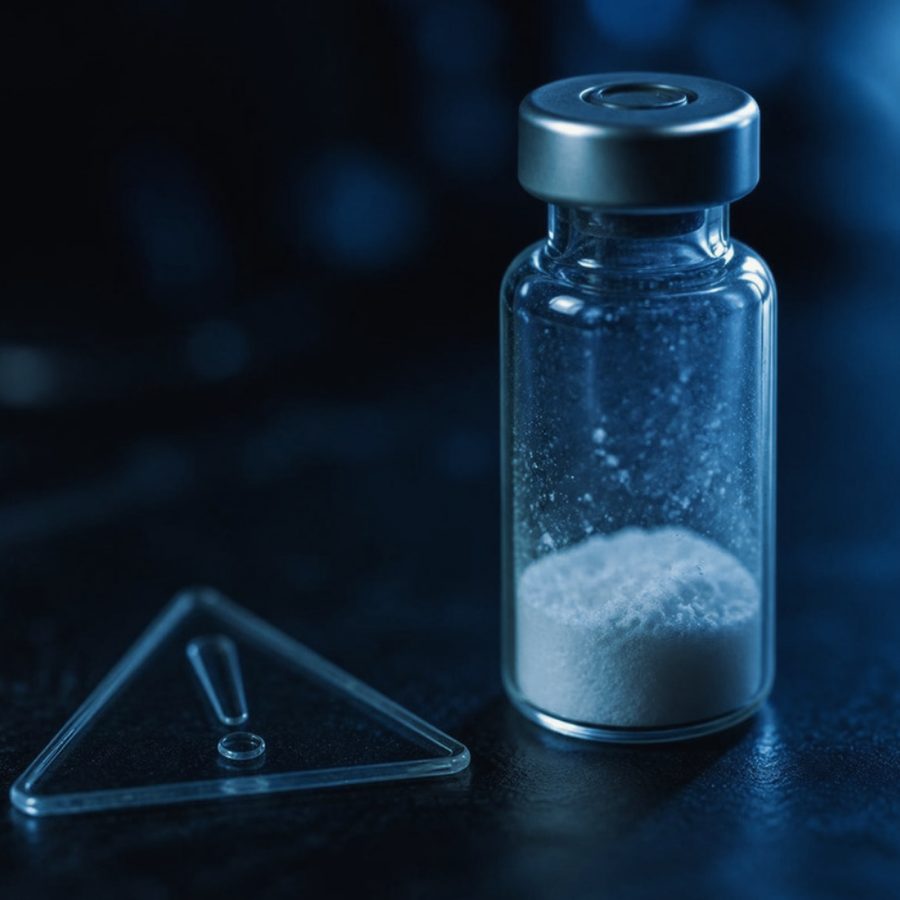
The lyophilization of BPC-157 results in a dry powdered form of the compound inside a sealed bottle made up of glass. The standard procedure for reconstituting the compound in laboratory practices entails the following: clean the stopper of the vial with isopropyl alcohol at 70%, take the volume of sterile water or bacteriostatic water, inject this water slowly along the sides of the vial so that the powder takes up to dissolves without shaking.
Injection Sites Used in Animal Research
- Intraperitoneal (abdomen)
- Most common route (60%+ of studies)
- Subcutaneous (near injury)
- Used in tendon and wound models
- Intramuscular (at injury)
- Used in muscle crush models
- Topical (wound surface)
- Used in skin wound models
- Intravenous
- Rare, limited to pharmacokinetic studies
- Human injection sites studied
- 0
Abdominal Wall (Intraperitoneal)
In the technique of i.p. Injection in rats or mice, the needle is inserted into the lower abdominal quadrant. The skin is held up by means of forceps, and the needle is inserted at a low angle. This site minimizes the chances of hitting organs such as the liver or cecum. There are other techniques of i.p. Injection that have some differences in angle and the choice of the abdominal quadrants.
Hindlimb and Shoulder Region
Subcutaneous injections in rat models are usually administered at the scruff of the neck or in the hindlimb region. In experiments aimed at investigating limb injuries, the injection site is selected according to the position of the injured tissue. In Achilles tendon transection studies, BPC-157 is injected into the hindlimb region close to the injury site. The rationale for this is clear: direct application allows for maximum concentration of the active substance at the site of injury with minimum dilution.
Near the Injury Site (Local Administration)
Multiple studies have compared local administration of BPC-157 to systemic delivery. The advantage of local delivery is that the compound is injected into the vicinity of the damaged tissue, often within a millimeter of the injury. Systemic delivery relies on blood circulation to transport the compound but data from studies indicate that the local administration produces far more localized effects in tendon and muscle tests. This conclusion is based on animal studies only. Please see our injection site guide for broader discussions of injection site.
Why Human Injection Protocols Do Not Exist
BPC-157 has not received any approval from any regulatory authority for human use. No human subject trial reports contain injection protocols. The explanations for the lack of approval are structural in nature and not conspiratorial.
Animal-to-Human Dose Scaling Problems
Converting an animal dose into a human dose requires scaling for body surface area and not simply weight. The FDA guidance document on dose conversion refers to keeping body surface area in mind. A dose given in rats of 10 mcg/kg does not translate to a dose of 10 mcg/kg in humans. The scaling factor from rats to humans is about 6.2, which means that the human dose, in kg terms, is about one-sixth of the dose given to rats. However, this can only be understood as an estimation and not as a validated human dose. Also, no studies exist that show the effective dose of bpc 157 for injections in humans.
Bioavailability differences add another layer. We do not know the absorption rate, half-life or distribution volume of BPC-157 in human tissue from controlled research. The published pharmacokinetic data comes from rats and dogs.
No Controlled Human Trials Published
As of this writing, only 1 registered clinical trial on ClinicalTrials.gov involves BPC-157 and is actively recruiting. No Phase II or Phase III trial has been completed. One small pilot safety study has been published, but it does not constitute the level of evidence required to establish injection protocols.
Sterile Technique in Preclinical Peptide Research
Sterile procedures ensure that there is no contamination or infections resulting from the injection of any substance. From the CDC and WHO guidelines, all the necessary materials and methods for this process have been derived and not from the research of BPC-157. For more on this process, refer to our sterile injection practices page.
| Item | Specification | Purpose | Source Guideline |
|---|---|---|---|
| Syringe | Single-use, disposable | Prevents cross-contamination | CDC Safe Injection Practices |
| Needle | Single-use, safety-engineered | Prevents needlestick injury and reuse | WHO Best Practices 2010 |
| Alcohol swabs | 70% isopropyl alcohol | Disinfects vial stopper and skin | CDC Safe Injection Practices |
| Sharps container | FDA-cleared, puncture-resistant | Safe disposal of used needles | FDA Sharps Disposal Guidance |
| Gloves | Non-sterile examination gloves | Reduces contamination from handler | WHO Best Practices 2010 |
| Vial adapter (optional) | Luer-lock compatible | Reduces stopper coring on multi-dose vials | Institutional protocol-dependent |
FAQ - How to Inject BPC-157
Is there a published human protocol for how to inject BPC-157?
No. All of the BPC-157 literature regarding injections raises the issue of the injection protocol in animals. There is no clinical protocol that has received approval from any oversight organization. Animal data can’t be translated into human subjects until controlled clinical studies have been conducted.
What injection route is most common in BPC-157 studies?
The most commonly used method is intraperitoneal injection. Most published research employs this method because it results in quick distribution in smaller rodents. In addition, subcutaneous and intramuscular injections are also used in some studies when focusing on certain parts of injuries.
What needle gauge do BPC-157 studies use?
Published methods sections refer to 25- to 30-gauge needles for injection into rodents. Such small gauged needles help minimize the injury caused to tissues in animals. In addition, the choice of needle in any case depends on the species, the targeted tissue and the amount of liquid to be injected.
Can BPC-157 be applied topically instead of injected?
Some animal studies used topical application for wound healing models. Topical BPC-157 bypasses the risks of injection entirely but limits delivery to surface tissues. Both injectable and topical routes showed effects in animal models, though systemic distribution differs substantially between the two. For dosing details from animal research, see our BPC-157 injection dosage chart.

Compare the current picks
Prices, sizes and ratings side by side, updated when the merchant pages change.
See top picks